What Does New Hair Growth Look Like?
Starting a hair growth routine is exciting, but knowing whether you're actually seeing new growth isn't always easy. Early changes can be subtle, and it's common to mistake new hairs for breakage or flyaways.
Understanding what healthy new growth looks like can help you track your progress with confidence.
New hairs usually appear as fine, soft strands that are shorter than the rest of your hair. Because they're still developing, they can be difficult to notice at first.
Some people also find their hair begins to look slightly fuller over time, especially around areas that previously appeared thinner. Since hair grows gradually, these changes are often easiest to spot by comparing photos taken several weeks apart.
Where You'll Usually Notice New Growth
Around the Hairline
One of the first places many people notice new growth is around the front of the hairline. Small, wispy hairs often called "baby hairs" can begin to appear and slowly become longer with time.
On the Top of the Scalp
If you're monitoring the crown or top of your head, look for short hairs growing beneath your longer strands. These are often easiest to see in natural lighting or after your hair has completely dried.
Throughout Thinner Areas
As new hairs continue growing, areas that once looked sparse may gradually appear denser. These improvements usually happen slowly, making consistency and patience important.
New Growth or Hair Breakage?
Short hairs don't always mean new growth. Hair breakage can create a similar appearance, but there are a few simple differences.
| Feature | New Hair Growth | Hair Breakage |
|---|---|---|
| Hair Tip | Naturally tapered | Blunt or frayed |
| Appearance | Growing directly from the scalp | Broken along the hair shaft |
| Texture | Smooth and soft | Dry or damaged |
| Over Time | Continues getting longer | Usually stays the same length |
If you're unsure, check the ends of the shorter hairs in good lighting. Healthy new growth typically has a finer, tapered tip, while broken hairs often look rough or uneven.
How Red Light Therapy Fits Into a Hair Care Routine
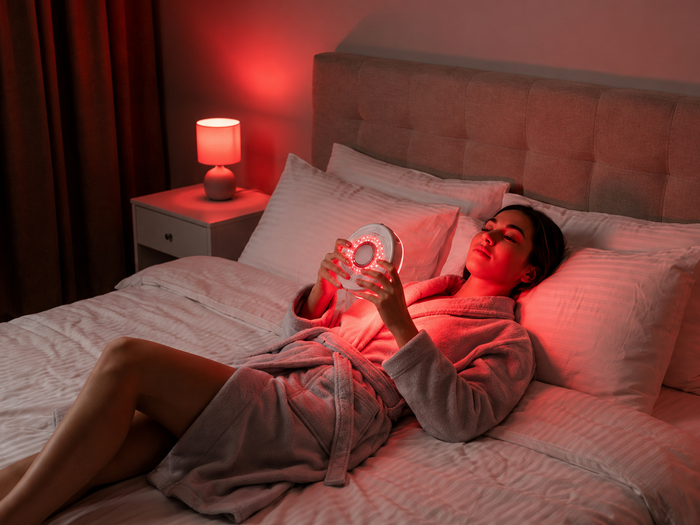
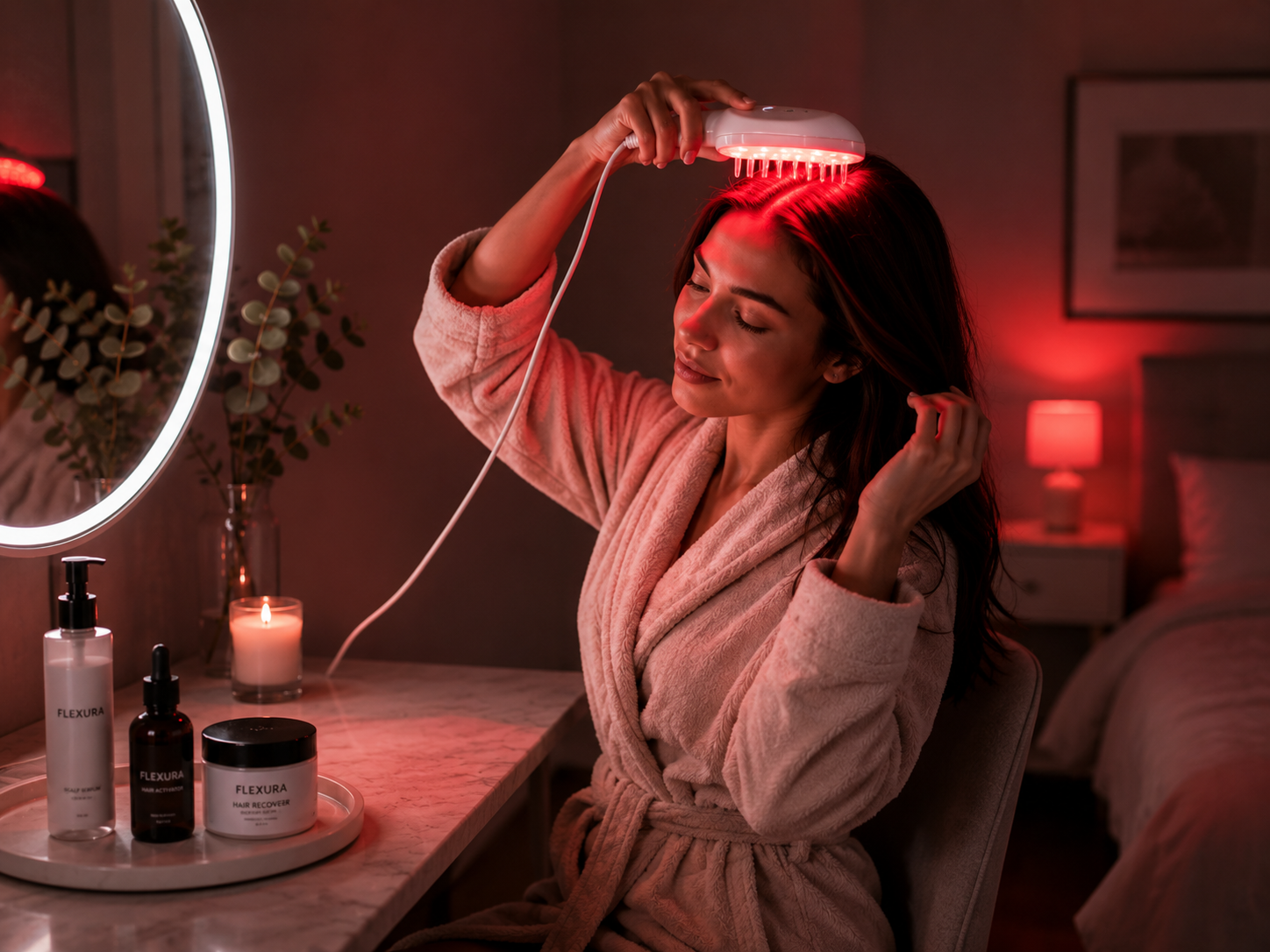
Many people include red light therapy as part of their overall hair wellness routine. Regular use is designed to support the scalp and healthy looking hair when combined with good daily habits.
Results vary from person to person, so staying consistent with your routine is one of the most important factors.
How Long Does New Hair Growth Take?
Hair grows slowly, so visible changes don't happen overnight.
Some people begin noticing subtle improvements after several weeks of consistent use, while others may take longer. Early signs are often small, such as fine new hairs around the hairline or areas that gradually appear fuller over time.
Taking progress photos every few weeks under the same lighting is one of the easiest ways to monitor changes.
Tips to Support Healthy Hair Growth
Keep Your Scalp Clean
A healthy scalp creates a better environment for your hair care routine. Regular cleansing helps remove excess oil and product buildup.
Eat a Balanced Diet
Getting enough protein, vitamins, and minerals supports overall hair health as part of a balanced lifestyle.
Be Gentle With Your Hair
Limiting excessive heat styling, harsh brushing, and tight hairstyles can help reduce unnecessary breakage.
Stay Consistent
Hair care routines work best over time. Following a regular schedule gives you the best opportunity to monitor gradual improvements.
Small Changes Add Up
New hair growth is often easy to miss during the first few weeks. Fine strands around the hairline, gradual improvements in fullness, and healthier looking hair are all encouraging signs to watch for.
Whether you're using red light therapy or simply building a better hair care routine, consistency and patience are key. Keep track of your progress, stay committed to your routine, and give your hair the time it needs to grow.